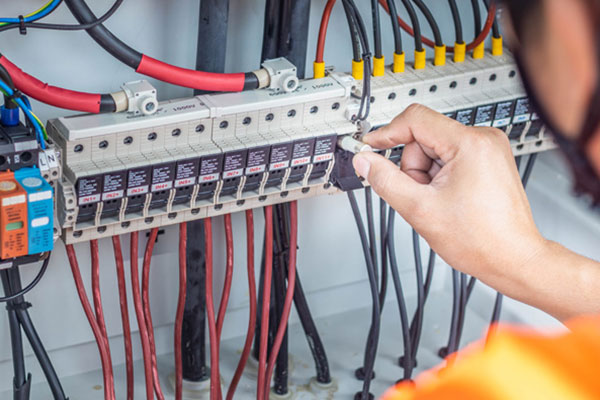
Cedar Park homeowners rely on electricity for every aspect of daily life—from climate control to cooking, lighting, and security. However, many homes in the area, especially those built before 2000, are beginning to show signs of electrical wear and tear. Left unchecked, small issues can quickly become expensive repairs or dangerous safety hazards.
In this article, we’ll explore the most common electrical issues faced by Texas homeowners, how to identify early warning signs, and why partnering with a certified Cedar Park electrician is the best way to keep your home safe, efficient, and up to code.
Aging Electrical Infrastructure in Cedar Park Homes
As Cedar Park grows, many older neighborhoods are experiencing the need for system-wide electrical updates. While some homes have received minor upgrades over the years, many still operate with original panels, outdated wiring, and insufficient power capacity.
If your home is more than 20 years old and hasn’t had a professional electrical inspection, there’s a good chance it needs maintenance or upgrades to meet current safety and performance standards.
1. Frequently Tripping Circuit Breakers
Problem:
Circuit breakers are designed to shut off power when a circuit is overloaded. If yours trip frequently, it could signal an issue with how your home’s power is distributed—or that the panel is no longer sufficient for your energy demands.
Possible Causes:
- Overloaded circuits
- Faulty breakers
- Outdated electrical panel
- Short circuits from faulty wiring
Solution:
Have a licensed electrician inspect your panel and circuits. You may need a panel upgrade or additional circuits to handle new appliances or technologies.
2. Flickering or Dimming Lights
Problem:
Lights that flicker when you turn on an appliance or dim without reason can indicate unstable voltage or overloaded systems.
Possible Causes:
- Loose wiring
- Overloaded circuits
- Failing light fixtures
- Power fluctuations from HVAC or kitchen appliances
Solution:
An electrician can check your voltage consistency and identify weak connections or outdated wiring. In some cases, a dedicated circuit may be needed for large appliances.
3. Outlets That Are Hot to the Touch
Problem:
If an outlet feels warm or shows signs of discoloration, it may be overheating. This is a major warning sign and should not be ignored.
Possible Causes:
- Loose connections behind the wall
- Worn or damaged wiring
- Plugging high-draw devices into the wrong type of outlet
Solution:
Immediately stop using the outlet and contact a professional. Hot outlets can lead to fires and indicate serious electrical faults behind the wall.
4. Burning Smell or Crackling Sounds
Problem:
A faint burning smell or crackling noise coming from an outlet, switch, or wall should be treated as an emergency.
Possible Causes:
- Arcing wires
- Melting insulation
- Electrical short circuits
- Failing components inside a panel
Solution:
Turn off power at the breaker and call a licensed electrician immediately. These are signs of an impending electrical fire and must be addressed right away.
5. Dead Outlets or Light Switches
Problem:
If a switch or outlet no longer works, it could be due to a tripped breaker, blown fuse, or internal wiring failure.
Possible Causes:
- Worn-out outlet or switch
- Damaged wiring
- Poor installation
- Loose connections
Solution:
A professional can test the circuit for continuity and inspect for damage inside the box. Replacing the component may be enough, but wiring issues behind the wall must be ruled out.
6. Outdated Two-Prong Outlets
Problem:
Homes built before the 1970s often still have two-prong (ungrounded) outlets, which are incompatible with many modern devices and pose a greater risk of shock.
Why It Matters:
- No grounding means appliances are not protected from surges
- Limited compatibility with modern electronics
- Most surge protectors won’t work properly without grounding
Solution:
A Cedar Park electrician can replace two-prong outlets with grounded, three-prong versions. In some cases, rewiring may be necessary to add a proper ground.
7. Overloaded Extension Cords and Power Strips
Problem:
It’s common to see multiple power strips in bedrooms, offices, or media rooms—but overloading them can lead to fire hazards or damage to your electronics.
Why It Happens:
- Lack of available outlets in older homes
- Too many devices plugged into one circuit
- Heavy appliances drawing more current than the circuit allows
Solution:
Instead of relying on extension cords, hire a professional to install additional outlets or create dedicated circuits for high-usage areas.
8. Lack of GFCI Protection
Problem:
Bathrooms, kitchens, laundry rooms, garages, and outdoor outlets must have Ground Fault Circuit Interrupter (GFCI) protection to prevent shock.
If You Notice:
- Standard outlets in wet areas
- GFCI outlets that don’t trip when tested
- Power that cuts off randomly in moisture-prone zones
Solution:
Upgrade outlets with GFCI versions or install a GFCI breaker. These improvements increase safety and help you pass inspections during a sale or renovation.
Why Homeowners Should Avoid DIY Fixes
It might be tempting to change a switch or replace an outlet on your own, but electrical work is one of the most dangerous aspects of home improvement. Improper installations can lead to injury, electrical fires, or failed insurance claims.
A licensed electrician brings:
- Knowledge of Texas residential codes
- Proper tools for safe and clean installations
- Understanding of power loads, grounding, and circuit balancing
- Insurance and licensing for liability protection
You’re not just paying for labor—you’re paying for safety, expertise, and long-term peace of mind.
When Should You Schedule a Full Electrical Inspection?
You should schedule a home electrical inspection if:
- Your home is 20+ years old and hasn’t been inspected recently
- You’re installing high-powered appliances (hot tub, EV charger)
- You’re buying or selling a property
- You’ve noticed any of the issues discussed in this article
- You want to make energy-efficiency upgrades (LED, solar, smart tech)
Regular inspections can catch small issues before they become major risks—and help keep your home in top condition.
Final Thoughts
Electrical problems often start small—but they rarely fix themselves. From flickering lights and buzzing outlets to outdated wiring and overloaded panels, these issues deserve immediate attention.